
close
Choose Your Site
Global
Social Media
Views: 0 Author: Site Editor Publish Time: 2026-01-30 Origin: Site


A semi-hermetic reciprocating compressor is a critical piece of equipment used in refrigeration, and industrial applications. Known for their reliability, energy efficiency, and ease of maintenance, semi-hermetic compressors are a popular choice for a wide range of systems requiring consistent cooling performance. One of the most significant advantages of a semi-hermetic reciprocating compressor is the ease with which it can be maintained. Unlike fully hermetic compressors, the semi-hermetic design allows for simpler access to internal components for repairs and servicing, helping to minimize downtime and reduce long-term maintenance costs.
In this article, we will explore how the semi-hermetic design simplifies compressor maintenance, why it is beneficial for industrial and commercial applications, and how it compares to other compressor designs. We will also look into the key components of a semi-hermetic reciprocating compressor, the maintenance practices that enhance its longevity, and answer some frequently asked questions.
A semi-hermetic reciprocating compressor is a type of positive displacement compressor commonly used in refrigeration. The "reciprocating" aspect refers to the piston-driven mechanism that compresses the refrigerant gas inside the compressor's cylinders, while the term semi-hermetic indicates that the compressor's housing is sealed but can be opened for maintenance.
The semi-hermetic design strikes a balance between hermetic compressors, which are fully sealed and require complete replacement if components fail, and open compressors, which are accessible but lack the protection of a sealed housing. In a semi-hermetic reciprocating compressor, the motor and compressor components are housed within a single casing, which is sealed to prevent refrigerant leakage but can be opened for servicing.
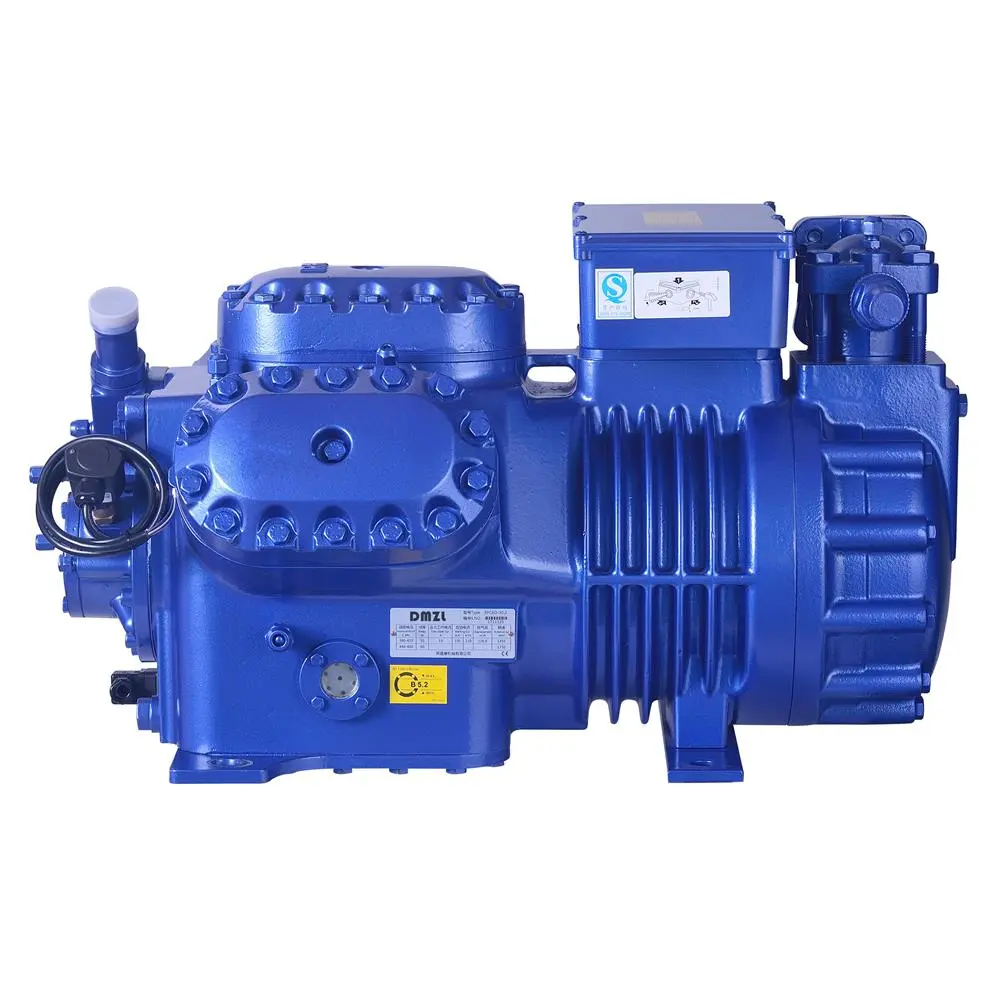
Energy Efficiency: Semi-hermetic compressors are designed to be energy-efficient, minimizing refrigerant leakage and ensuring optimal energy use.
Durability: The robust design ensures longevity and resistance to wear and tear, even in harsh operating conditions.
Easier Maintenance: The ability to open the compressor for maintenance without removing the entire unit significantly reduces downtime and repair costs.
Compressors are the heart of any refrigeration, and maintaining them properly is crucial for ensuring the longevity and efficiency of the system. A compressor that is not well-maintained can lead to a range of issues, including:
Decreased Efficiency: Lack of maintenance can cause parts to wear out, leading to reduced performance and higher energy consumption.
Increased Downtime: If a compressor fails unexpectedly, it can cause significant downtime, which is particularly detrimental in industries like food processing, pharmaceuticals, and cold storage.
Higher Repair Costs: Compressors that are poorly maintained are more likely to need expensive repairs, especially if the failure is severe.
Regular maintenance helps to avoid these issues and ensures that compressors continue to operate at their best, reducing energy costs, preventing unplanned downtime, and extending the service life of the compressor.
The semi-hermetic design of a semi-hermetic reciprocating compressor offers several benefits that make maintenance more straightforward compared to other compressor designs. Let’s break down these benefits:
Unlike fully hermetic compressors, which are entirely sealed, semi-hermetic reciprocating compressors have a housing that can be opened for servicing. This design allows technicians to access the motor, pistons, valves, and other internal components without having to remove the entire unit. Some key advantages include:
Replacement of Individual Components: With a semi-hermetic compressor, individual parts such as valves, gaskets, and oil pumps can be replaced without dismantling the entire compressor. This reduces repair costs and downtime.
Inspection and Cleaning: Technicians can inspect and clean the internal components of the compressor, such as the pistons and cylinders, to ensure they are functioning correctly. This proactive approach prevents issues from escalating into major failures.
Faster Repairs: Since components are accessible, repairs can be completed quickly, minimizing downtime. In industries that rely on refrigeration for food preservation or pharmaceuticals, this is particularly important.
With a semi-hermetic reciprocating compressor, technicians can easily diagnose problems by examining the internal components. This accessibility is crucial for identifying issues before they result in a system failure. Some examples of common problems that can be diagnosed with ease include:
Valve Issues: Problems with the suction or discharge valves can be identified and repaired quickly.
Oil Problems: Low oil levels or contaminated oil can be detected and addressed before causing damage to the compressor.
Piston Wear: Regular inspection of the pistons and cylinders can reveal signs of wear or damage, preventing more severe mechanical failure.
One of the most significant benefits of the semi-hermetic design is its ability to reduce refrigerant leakage. In refrigeration systems, maintaining proper refrigerant levels is essential for efficiency. A semi-hermetic compressor is designed to have a tight seal that minimizes refrigerant leaks, which not only ensures the system operates more efficiently but also reduces the frequency of recharging the system with refrigerant. In the event of a leak, the design makes it easier to locate and fix the source without needing to replace the entire compressor.
Because a semi-hermetic reciprocating compressor allows for easier maintenance and access to internal components, the cost of repairs and servicing is generally lower than for fully hermetic compressors. The ability to replace parts individually, without replacing the entire unit, can lead to significant savings. Additionally, the longevity of the compressor is extended when components are maintained regularly, reducing the need for premature replacement.
The ability to access the internals of the compressor safely allows technicians to perform regular checks and preventive maintenance. This helps to avoid safety hazards, such as:
Overheating: Regular inspection and maintenance ensure that the compressor is not operating under excessive heat conditions, which can lead to component failure and potential safety risks.
Oil Contamination: The semi-hermetic design makes it easier to monitor and replace oil, preventing contamination that could cause system failure or even damage the motor.
Pressure Issues: Maintaining and checking the pressure settings is more accessible, reducing the chances of operating the compressor outside of safe pressure limits, which could lead to accidents or equipment damage.
Fully hermetic compressors are entirely sealed and cannot be opened for repairs. If any internal component fails, the entire compressor must be replaced. While this design ensures a higher level of sealing and prevents any refrigerant leakage, it also means that maintenance is far more expensive and complex. Technicians must remove the entire compressor from the system, and any repairs or replacements are costly and time-consuming.
The semi-hermetic reciprocating compressor, on the other hand, offers the benefits of easy access and repairability. It is sealed to prevent refrigerant leakage but can be opened to replace individual components. This design is ideal for long-term system reliability, as it allows for ongoing maintenance and proactive repairs, which reduce overall costs.
To ensure that a semi-hermetic reciprocating compressor continues to function efficiently and has a long lifespan, regular maintenance is essential. Below are some best practices:
Regular Oil Checks: Check the oil levels and quality regularly to ensure proper lubrication of the compressor’s moving parts. Replace the oil if it becomes contaminated or degraded.
Inspect Valves and Gaskets: Regularly inspect the suction and discharge valves, as well as the gaskets, for any signs of wear or damage. Replace these components if necessary.
Monitor Refrigerant Levels: Ensure that the refrigerant levels are maintained at the appropriate level. Low refrigerant levels can lead to poor performance and damage to the compressor.
Clean the Compressor: Dirt and debris can accumulate inside the compressor over time, affecting its efficiency. Regular cleaning ensures that the compressor operates at peak performance.
Pressure and Temperature Checks: Regularly check the operating pressures and temperatures of the system to ensure the compressor is not operating outside of safe limits.
Routine maintenance should be performed every 6 months to a year, depending on the usage and operating conditions. Regular checks on oil, refrigerant levels, and valves are essential.
While minor maintenance tasks such as oil replacement can be performed by qualified personnel, more complex repairs, such as valve replacements, should be done by certified technicians.
Signs that maintenance is needed include unusual noises, inconsistent cooling, high energy consumption, or an increase in the temperature or pressure readings.
The process for replacing a part in a semi-hermetic reciprocating compressor involves opening the housing, locating the faulty component, and replacing it with a new one. This is easier than replacing an entire compressor.
Yes, semi-hermetic compressors are versatile and can be used in both high and low-temperature environments, as long as the system is properly maintained.
The semi-hermetic reciprocating compressor is an essential component in refrigeration due to its ease of maintenance, reliability, and efficiency. Its semi-hermetic design simplifies the maintenance process by allowing easier access to internal components, reducing downtime, and lowering maintenance costs. This design, combined with its energy efficiency and long lifespan, makes it an ideal choice for many industrial and commercial applications where consistent cooling and long-term reliability are critical. By adhering to regular maintenance practices, operators can ensure their semi-hermetic reciprocating compressor continues to perform optimally for years to come.


