
close
Choose Your Site
Global
Social Media
Views: 0 Author: Site Editor Publish Time: 2026-10-28 Origin: Site


Walking across a bustling factory floor, the hiss of compressed air is ubiquitous. It is also the hidden financial drain of your daily operations. In the industrial manufacturing sector, we frequently refer to compressed air as the fourth utility. It powers everything from heavy pneumatic cylinders to delicate assembly tools. Yet, producing this vital resource is notoriously energy-intensive. Relying on outdated fixed-speed technology silently exhausts your operational budget, especially when your plant experiences fluctuating air demands.
Modern variable speed technology represents a revolutionary engineering approach. It drastically reduces power consumption while optimizing mechanical performance. By intelligently adjusting motor speeds to match real-time air demand, these advanced systems solve the widespread inefficiency of traditional models. This comprehensive engineering guide explores how upgrading your equipment transforms your bottom line. We will examine the financial, operational, and mechanical advantages of making the switch.
Massive Cost Reductions: Upgrading to variable speed technology reduces energy consumption by up to 50 percent compared to traditional fixed-speed models, depending on your facility demand profile.
Extended Equipment Lifespan: Automated soft starts minimize mechanical stress. This significantly reduces the daily wear and tear on critical motor and airend components.
Precision Performance: An intelligent drive automatically adjusts the motor RPM to perfectly match real-time demand. This effectively eliminates wasteful idling periods.
High Return on Investment: Compounded energy savings typically pay for the premium initial purchase price within the first one to two years of standard industrial operation.
System Stability: Preventing drastic pressure fluctuations ensures consistent and reliable operation for highly sensitive downstream pneumatic equipment.
Global energy crises and strict carbon emission mandates are reshaping industrial manufacturing. Recent industry analyses reveal a massive migration toward adaptive pneumatic systems. Plant managers are no longer just looking for raw air power. They demand intelligent energy management to combat soaring electricity rates. The trend is clear and irreversible. Variable frequency technologies will dominate new installations over the next decade. Facilities failing to upgrade face compounding utility penalties and risk falling behind modern compliance standards.
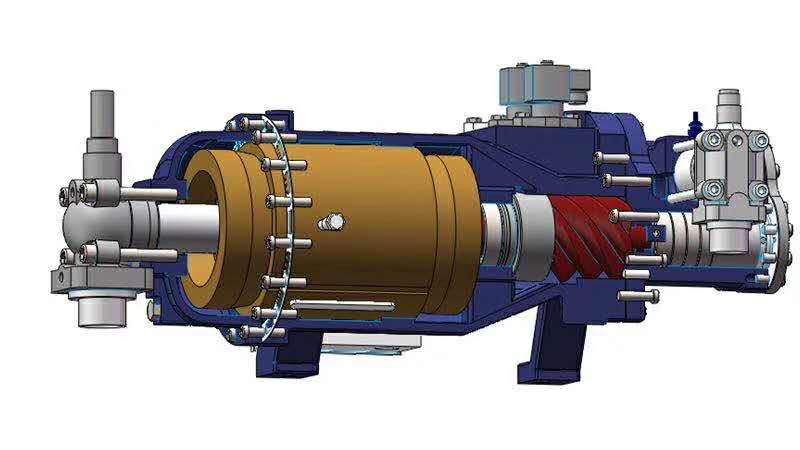
Before analyzing specific operational advantages, we must understand the fundamental mechanical differences. The method a machine uses to handle fluctuating air demand determines its overall energy footprint and mechanical longevity.
Traditional fixed-speed units run at a constant, maximum RPM whenever powered on. When demand drops and maximum pressure is reached, the inlet valve closes. The machine is forced into an unload phase. The motor continues spinning at full speed to maintain readiness. Consequently, it burns up to 40 percent of its maximum energy load without producing a single cubic foot of usable air. This load and unload cycle is a massive operational waste.
In contrast, a modern Screw Compressor equipped with a variable drive operates on a fundamentally different principle. It utilizes an integrated inverter to continuously monitor the air network pressure. As demand fluctuates throughout the shift, the drive instantly alters the frequency and voltage supplied to the motor. This dynamic adjustment allows the system to produce exactly the required air volume at any given second. It completely bypasses the wasteful unload phase.
Feature | Traditional Fixed-Speed | Variable Speed Drive |
|---|---|---|
Motor Operation | Constant maximum RPM | Dynamic RPM based on real-time demand |
Energy Waste | High during unload phase | Virtually eliminated |
Startup Current | Massive electrical surge | Smooth soft start |
Pressure Control | Wide fluctuation band | Highly precise and stable |
Electricity is the single largest expense associated with compressed air generation. For facility managers and plant engineers, the financial impact of capital equipment is the ultimate deciding factor.
When evaluating heavy industrial equipment, the initial purchase price is merely a fraction of the overall financial picture. Over a standard ten-year lifecycle, energy consumption accounts for roughly 80 percent of the Total Cost of Ownership. Maintenance and the initial capital investment make up the remaining minority. Because a VSD Compressor slashes energy usage by up to 50 percent in variable-demand scenarios, it drastically shrinks the largest slice of your operational expenses.
Consider a mid-sized manufacturing plant operating a 100-horsepower fixed-speed unit for 8,000 hours annually. If the plant experiences fluctuating demand due to varying shifts, the machine spends thousands of hours idling. Replacing this unit saves hundreds of thousands of kilowatt-hours. This translates directly to tens of thousands of dollars in electricity savings every single year. Furthermore, local power grids often offer lucrative financial rebates to businesses upgrading their outdated equipment, accelerating your return on investment timeline.
Beyond the clear financial metrics, intelligent drive technology offers superior daily operational performance. This directly enhances overall plant productivity, safety, and workflow consistency.
Air demand is rarely static in a typical manufacturing environment. You might require full capacity during a heavy morning shift, but only a fraction during lunch breaks or overnight operations. A Variable Speed Compressor dynamically mirrors these real-time needs. By slowing down the motor rather than venting air or idling, the system ensures energy input remains strictly proportional to actual work output.
Specifically, this technology eliminates peak current penalties. When a standard fixed-speed motor starts, it draws a massive electrical surge known as in-rush current. This surge can spike up to six times the normal operating load. In large industrial setups, sudden electrical surges trigger peak-demand utility penalties and cause voltage drops that disrupt sensitive electronics. Variable frequency units inherently feature a soft start capability. The inverter gradually ramps up the voltage, allowing the motor to start smoothly without shocking the electrical grid.
Consistent system pressure is another critical operational benefit. Fixed-speed systems rely on a wide pressure band to operate, creating constant fluctuations in the facility air lines. Variable speed technology maintains a highly precise pressure band, often keeping the system stable within 0.1 bar of the target setting. Stable air supply is vital for sensitive downstream equipment, reducing the risk of product defects caused by sudden pressure drops.
Investing in premium industrial equipment brings the expectation of a longer operational life. Advanced drive technology inherently protects the mechanical integrity of the entire system. This leads to extended service intervals and a longer overall lifespan for core components.
Friction and heat are the primary enemies of rotating machinery. Because a variable speed unit frequently operates at lower average speeds, the internal components generate significantly less heat and experience less friction. Bearings, drive belts, and airend rotors benefit immensely from this reduced mechanical stress. The soft-starting nature of the drive also eliminates the violent mechanical shocks that occur when a traditional motor slams into operation.
These protective benefits extend to highly specialized setups. For example, a Semi Hermetic Screw Compressor utilized in commercial refrigeration relies heavily on maintaining optimal internal temperatures. By utilizing variable speed technology, these enclosed systems match cooling loads precisely. This prevents excessive thermal cycling that often leads to premature motor winding failure or dangerous refrigerant leaks.
Abstract benefits mean nothing without proper equipment sizing. Variable speed technology is highly scalable, but you must match the machine parameters to your actual factory floor reality. How do you choose the right Energy Saving Compressor for your specific application?
Base Load vs. Trim Load Strategy
If your plant runs continuously with an unyielding demand for maximum air capacity, a fixed-speed unit acts as your base load machine. You then install a variable speed unit as the trim machine. As plant demand fluctuates above the base load, the trim machine dynamically speeds up or slows down to handle the exact variable peaks. This hybrid configuration maximizes energy savings across the entire network.
Matching Industrial Parameters
Look for systems equipped with highly efficient permanent magnet motors, ideally carrying IE4 or IE5 efficiency ratings. Ensure the working pressure range matches your application needs, typically between 7 to 12 bar for general manufacturing. A robust, high-quality inverter should be capable of handling ambient factory temperatures up to 45 degrees Celsius without performance derating.
Finding the Operational Sweet Spot
A variable speed unit must operate within its optimal efficiency range, usually between 40 and 80 percent of its maximum capacity. Drastically oversizing the equipment forces it to run below 20 percent capacity. This prevents the machine from reaching optimal operating temperatures, leading to internal moisture condensation and rapid oil degradation.
Deciding to invest in advanced compressed air technology is only the first step. To truly unlock the maximum return on investment and ensure long-term reliability, facility managers must adhere to strict implementation protocols.
The most critical step occurs before the purchase. Conduct a professional compressed air audit. By installing data loggers during a typical production week, plant engineers can map out exact air consumption patterns. This data is vital for sizing your new equipment accurately.
Ensure adequate ventilation in your installation space. The compressor room must have proper airflow to dissipate the heat generated by the inverter and the motor. If the operating environment is inherently dirty, investing in heavy-duty pre-filtration systems or specialized NEMA-rated enclosures for the electronics is mandatory.
Finally, shift toward proactive system management. Inspect the drive cabinet monthly for dust buildup, clean the heat sinks, check cooling fans, and verify firmware updates annually. Hands-on maintenance ensures your equipment continues delivering promised energy savings without interrupting production lines.
Upgrading to variable speed technology is one of the most financially sound engineering decisions a manufacturing facility can make today. By intelligently synchronizing air supply with actual real-time demand, these systems completely eliminate the massive energy waste associated with traditional fixed-speed models.
Whether you operate a heavy industrial assembly line or utilize specialized semi-hermetic configurations, integrating intelligent drive technology guarantees substantially lower electricity bills. It reduces mechanical wear, extends maintenance intervals, and ensures a highly stable air supply for sensitive downstream equipment. Ready to stop burning money on wasted electricity? Evaluate your facility demand profile and explore the full range of high-performance variable speed solutions at https://www.dm-compressor.com to find the exact specifications that match your industrial needs.
VSD stands for Variable Speed Drive. It is a sophisticated electronic control system integrated into the compressor that automatically adjusts the operating speed of the electric motor. Instead of spinning at a constant rate regardless of what the factory needs, the drive communicates with pressure sensors in the air network. As demand rises, the drive increases motor speed to produce more air. As demand falls, it slows the motor down, generating only the exact volume required in real-time.
The exact amount of energy saved depends on your facility air demand profile. Empirical data and industry audits show that these dynamic systems reduce energy consumption by 35 to 50 percent compared to traditional fixed-speed models in the same environment. By eliminating wasteful unloaded idling time, this technology drastically cuts electrical power consumption.
Yes, absolutely. Semi-hermetic systems predominantly utilized in heavy-duty commercial refrigeration and specialized industrial gas applications benefit greatly when paired with variable speed technology. Integrating a drive allows the system to precisely optimize cooling loads and adapt to fluctuating ambient temperatures. The soft start capability limits sudden mechanical jerks, preserving internal seals and extending the lifespan of enclosed components.
They are classified as energy-saving primarily because they eradicate idle running time. In a standard pneumatic system, air demand fluctuates as different tools are turned on and off. When a facility only requires half of its total capacity, the intelligent system slows the motor down so it consumes only the electrical energy required to produce that specific amount. This direct correlation between air production and energy consumption prevents massive electrical waste.
In the compressed air industry, the terms VFD and VSD are frequently used interchangeably, but there is a technical distinction. A VSD is a broader term referring to any type of drive system capable of controlling machine operating speed. A VFD is a specific type of electronic VSD that controls the speed of an AC electric motor by altering the frequency and voltage of the electrical power supplied to it. In modern rotary screw systems, variable speed capabilities are almost exclusively achieved using a VFD.
For the vast majority of manufacturing applications, yes. While the initial capital expenditure is typically 20 to 30 percent higher than a standard fixed-speed unit, the massive reduction in daily electricity consumption offsets this premium rapidly. Most industrial facilities operating with variable air demand see a full return on investment within 12 to 24 months, after which the energy savings translate directly to pure operational profit.
You need a variable speed unit if your air demand fluctuates throughout the day. Indicators include running multiple shifts with different production volumes, using intermittent pneumatic tools, or observing your current compressor frequently loading and unloading. Conducting a professional air audit with data loggers will reveal your exact consumption patterns and confirm if a dynamic drive system is the right engineering choice for your floor.


